A Practical Guide to Storing Fresh Produce for Longer Shelf Life
Proper storage of fresh produce is a fundamental aspect of kitchen management that can influence both the quality of ingredients and the frequency of grocery shopping. Many factors contribute to how long fruits and vegetables remain usable, including temperature, humidity, ethylene gas exposure, and air circulation. Understanding these variables allows for more informed decisions about where and how to store different types of produce. This guide outlines general principles and practical methods for storing fresh produce, with a focus on common items found in American kitchens.
The information provided here is intended as a general reference and is based on commonly accepted food storage practices. Individual results may vary depending on the initial condition of the produce, the specific storage environment, and other external factors. The aim is to present a clear framework for organizing produce storage rather than to offer definitive prescriptions. By exploring the categories of produce and their typical storage preferences, readers can adapt these concepts to their own circumstances.
In the following sections, we will examine which fruits and vegetables are typically refrigerated, which are often kept at room temperature, and how simple techniques can help mitigate spoilage. The discussion will also touch on the role of ethylene gas and moisture control, as well as practical organization strategies. Throughout, the emphasis is on transparency and methodology, allowing for a nuanced approach to a common household task.
Understanding the Factors That Affect Produce Shelf Life
Several key factors influence how quickly fresh produce deteriorates after harvest. Temperature is among the most significant, as it affects respiration rates and microbial growth. Most fruits and vegetables have an optimal temperature range that slows down these processes without causing chilling injury. Humidity also plays a critical role; too little moisture leads to wilting, while excess moisture can promote mold and rot. Air circulation is another consideration, as stagnant air can trap ethylene gas and moisture, accelerating spoilage.
Ethylene gas is a natural plant hormone that regulates ripening and senescence. Some produce items emit significant amounts of ethylene, while others are sensitive to it. When ethylene-producing items are stored near ethylene-sensitive ones, the latter may ripen or spoil prematurely. Understanding these interactions can guide storage decisions, such as separating certain items or using containers that limit gas exchange.
In addition to environmental factors, the condition of the produce at the time of purchase matters. Items that are already bruised, overripe, or damaged will deteriorate faster regardless of storage conditions. Selecting high-quality produce and handling it gently can improve storage outcomes. Furthermore, cleaning and drying produce before storage can reduce surface moisture and microbial load, though some items benefit from being stored unwashed until use.
Note that these factors interact in complex ways, and no single storage method guarantees extended shelf life. The goal is to create conditions that slow degradation while accommodating the specific needs of each type of produce.
Fruits and Vegetables That Typically Benefit from Refrigeration
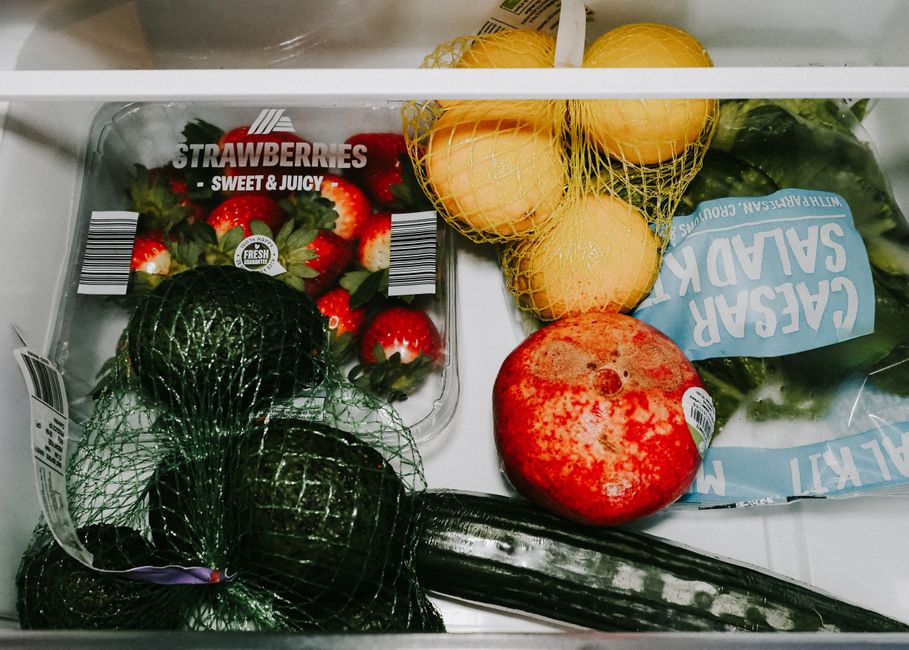
Many fruits and vegetables are best stored in the refrigerator to maintain freshness and slow spoilage. Leafy greens, such as lettuce, spinach, and kale, are highly perishable and benefit from cool, humid conditions. They should be stored in the crisper drawer, ideally in a perforated bag or container to allow some airflow while retaining moisture. Berries, including strawberries, blueberries, and raspberries, are also prone to mold and should be refrigerated. It is advisable to remove any damaged berries and store them in a single layer or in a container lined with paper towels to absorb excess moisture.
Other vegetables that generally fare better in the refrigerator include broccoli, cauliflower, carrots, and celery. These items can be stored in the crisper drawer, with carrots and celery benefiting from being kept in airtight containers or bags to prevent wilting. Cucumbers, bell peppers, and zucchini also prefer cooler temperatures but are sensitive to ethylene gas, so they should be stored away from ethylene-producing items like apples and tomatoes. For fruits, apples, grapes, cherries, and citrus fruits can be refrigerated to extend their shelf life, though some citrus may be kept at room temperature for short-term use if intended for immediate consumption.
It is important to note that refrigeration can cause chilling injury in some tropical or subtropical produce, such as bananas, mangoes, and tomatoes, leading to undesirable texture and flavor changes. Therefore, these items are generally better suited to room temperature storage until ripe, after which they may be refrigerated to prolong usability. The following list summarizes common produce items that typically benefit from refrigeration:
- Leafy greens (lettuce, spinach, kale)
- Berries (strawberries, blueberries, raspberries)
- Broccoli and cauliflower
- Carrots and celery
- Cucumbers, bell peppers, and zucchini
- Apples, grapes, and cherries
- Citrus fruits (for longer storage)
When refrigerating produce, it is helpful to keep items dry and to avoid overcrowding, which can impede air circulation. Using the appropriate compartments and containers can help maintain optimal humidity levels. Regularly checking for signs of spoilage and removing affected items can prevent the spread of mold and ethylene gas.
Produce That Is Often Stored at Room Temperature
Certain fruits and vegetables are better suited to room temperature storage, either because refrigeration negatively affects their quality or because they are intended to ripen after purchase. Tomatoes, for example, are commonly stored at room temperature to preserve flavor and texture; refrigeration can make them mealy and less flavorful. However, once fully ripe, they may be refrigerated for a few days if needed. Bananas, avocados, and stone fruits like peaches and nectarines are also typically ripened at room temperature. Once ripe, they can be moved to the refrigerator to extend their usable window, though this may alter texture slightly.
Root vegetables such as potatoes, onions, and garlic are best kept in a cool, dark, and well-ventilated area. Potatoes should be stored away from light to prevent greening and should not be refrigerated, as cold temperatures can cause starch conversion and off-flavors. Onions and garlic benefit from dry conditions and air circulation; they can be hung in mesh bags or placed in a basket. Winter squash and pumpkins also keep well at room temperature for extended periods, provided they are stored in a dry, cool spot.
Some fruits, like citrus and apples, can be stored at room temperature for short periods but may last longer in the refrigerator. The decision often depends on how quickly the items will be consumed. For example, a bowl of oranges on the counter is convenient for snacking, but if they are not eaten within a week, refrigerating them can help prevent mold. Similarly, apples can be kept on the counter for a few days but are better refrigerated for longer storage.
When storing produce at room temperature, it is important to avoid direct sunlight and heat sources, which can accelerate ripening and spoilage. Good air circulation is also beneficial; items should not be piled up or stored in closed containers unless they are specifically designed for that purpose. Regularly inspecting room-temperature produce for signs of overripeness or mold allows for timely use or transfer to the refrigerator.
Practical Techniques to Prevent Spoilage and Extend Shelf Life
Beyond temperature and location, several practical techniques can help reduce spoilage and extend the shelf life of fresh produce. Proper cleaning is a good starting point: washing produce removes dirt and some microorganisms, but it is essential to dry items thoroughly before storage to prevent mold growth. Some produce, like berries, may benefit from a vinegar rinse (a dilute solution of vinegar and water) to reduce mold spores, though this should be followed by thorough drying. However, not all produce should be washed before storage; potatoes, onions, and mushrooms, for example, are better stored unwashed and cleaned just before use.
Moisture control is critical. Excess moisture can lead to rot, while insufficient moisture causes wilting. Using paper towels in containers can help absorb excess moisture from items like leafy greens and berries. For vegetables that tend to wilt, such as carrots and celery, storing them in airtight containers with a slightly damp paper towel can maintain humidity. On the other hand, dry storage is suitable for items like onions and garlic, which require low humidity to prevent mold and sprouting.
Ethylene management is another key technique. Separating ethylene-producing fruits (e.g., apples, bananas, melons) from ethylene-sensitive vegetables (e.g., leafy greens, cucumbers, broccoli) can prevent premature ripening and spoilage. Some storage containers are designed with ethylene absorbers, though their effectiveness varies. Simply keeping items in separate drawers or areas can be sufficient for many households.
Organization and inventory practices also play a role. First-in, first-out (FIFO) rotation ensures that older items are used before newer ones. Labeling storage containers with dates can help track freshness. Using clear containers or keeping produce visible can serve as a reminder to use items before they spoil. Additionally, avoiding overbuying and planning meals around perishable items can reduce waste.
The following list outlines some general techniques that may be applied:
- Clean and dry produce before storage, unless it is better stored unwashed.
- Use paper towels to manage moisture in containers.
- Separate ethylene-producing and ethylene-sensitive items.
- Store items in appropriate containers or bags to balance airflow and humidity.
- Rotate stock and use older items first.
- Monitor storage conditions regularly and remove spoiled items promptly.
These techniques are not exhaustive, and their effectiveness depends on the specific produce and storage environment. A flexible approach that considers the unique characteristics of each item tends to yield the best results.
Organizing Your Kitchen for Efficient Produce Storage
An organized kitchen can facilitate proper produce storage and reduce waste. Designating specific areas for different categories of produce—such as a cool, dark spot for root vegetables, a countertop basket for ripening fruits, and crisper drawers for leafy greens—can streamline storage decisions. It can be helpful to assess the temperature and humidity in various parts of the kitchen, as these can vary significantly. For instance, the area near a stove or in direct sunlight is warmer and less suitable for produce storage.
Investing in appropriate storage containers can also make a difference. Breathable bags or containers with adjustable vents can help regulate humidity and airflow. Glass containers or food-safe plastic containers can be used for items that need airtight conditions. However, it is not necessary to purchase specialized equipment; many common household items, such as paper bags, perforated plastic bags, and clean towels, can serve similar purposes.
Regular maintenance of storage areas is important. Cleaning the refrigerator and pantry periodically, checking for expired items, and wiping down shelves can prevent the buildup of mold and odors. It is also wise to check the temperature settings of the refrigerator and freezer to ensure they are within recommended ranges—typically around 37°F (3°C) for the refrigerator and 0°F (-18°C) for the freezer. However, these settings may need adjustment based on specific conditions and the types of produce stored.
Finally, keeping a simple inventory or using a meal planning approach can help align produce purchases with consumption. By being mindful of what is on hand and planning meals that incorporate perishable items, households can reduce the likelihood of spoilage. This approach also encourages creativity in using items that are nearing the end of their optimal storage life.
In summary, storing fresh produce for longer shelf life involves understanding the interplay of temperature, humidity, ethylene gas, and handling practices. By categorizing produce according to its typical preferences and applying practical techniques, it is possible to maintain quality and reduce waste. The methods described here are intended as a general guide, and individual results will depend on many variables. A thoughtful and adaptable approach to produce storage can contribute to a more efficient and sustainable kitchen.